AI Agent Development Company
We help enterprises build and deploy AI agents and multi-agent systems that automate complex workflows, support informed decisions, and coordinate work across applications, data, and teams. We support the complete agent lifecycle from use-case analysis and technical design to development, governed deployment, and AgentOps. Each agentic solution is aligned with defined business processes, security requirements, governance considerations, and performance expectations to deliver reliable, scalable, and measurable outcomes in production.

Trusted By Leading Enterprises


AI Developers
Software Products Delivered
AI Solutions
Total Years of Experience
AI Agent Development Services We Offer

AI Strategy and Consulting
We help organizations identify, evaluate, and prioritize high-value AI agent opportunities aligned with business objectives. We assess business processes, decision points, operational challenges, data readiness, integration requirements, technology options, implementation feasibility, potential value, and risk. Each engagement helps define priority use cases, expected outcomes, operating boundaries, accountable stakeholders, and a practical roadmap for progressing AI agent initiatives from opportunity assessment to implementation.

Technical Design Development
We translate validated solution requirements and prioritized use cases into implementation-ready technical designs for AI agent solutions. Our services define the solution’s technical foundation by specifying system architecture, data and knowledge flows, integration interfaces, security controls, deployment patterns, observability requirements, and nonfunctional constraints. Architecture diagrams, epics, technical specifications, schemas, and other build-ready artifacts guide the development, integration, deployment, and operation of agentic AI solutions.

Custom AI Agent Development
Our custom AI agent development service covers the design, development, testing, and implementation of purpose-built agents aligned with specific business processes and operational requirements. We build agents that support a wide range of enterprise functions, including knowledge work, decision support, information processing, and operational task execution across business systems. Each agent operates with defined responsibilities, relevant context, authorized tools, and appropriate controls.

Multi-agent System Development
Our multi-agent system development services enable enterprises to develop and implement coordinated agentic systems in which specialized agents work together to complete complex, layered tasks. Agent roles, communication mechanisms, shared context, task delegation, validation steps, and controlled handoffs are clearly defined. Sequential, hierarchical, supervisory, or event-driven coordination patterns are selected based on workflow requirements to support reliable collaboration, and observable execution.

Agent Orchestration and Workflow Engineering
We engineer stateful workflows that enable agents to execute complex, multi-step work across enterprise systems and human participants. Capabilities include task planning, routing, tool invocation, approvals, retries, timeouts, exception paths, and recovery mechanisms, providing greater control and continuity throughout execution when execution depends on multiple agents, enterprise applications, and review checkpoints.

AI Agent Governance
We build AI agents that operate within your enterprise’s governance framework and established operating requirements, supporting alignment with the organization’s policies and authority structure. Agents are configured with defined identities and permissions, access to approved tools and data, autonomy boundaries, human-approval requirements, escalation paths, logging, auditability, and stop controls. This supports governed agent behavior, accountability, and operation within defined enterprise policies and authority boundaries.

Knowledge Grounding and Retrieval
We engineer AI agents to access and use trusted enterprise information within defined permission and governance boundaries. We implement retrieval architectures that connect agents with authorized documents, databases, knowledge graphs, data platforms, applications, and operational records. With robust retrieval pipelines, context engineering, metadata-based filtering, source traceability, access controls, and knowledge synchronization, agents can generate highly relevant, evidence-based outputs.

AI Agent Integration
We build enterprise-grade, integration-ready AI agents designed to operate within your existing enterprise environment and connect with the systems and applications that support their roles. We design and implement integrations using APIs, events, connectors, and microservices to enable secure, reliable interaction across enterprise systems. This allows agents to access authorized information, coordinate multi-system workflows, execute approved actions, and return outcomes to established systems of record.

Agent Evaluation and Validation
We create structured evaluations to assess whether agents perform reliably across expected conditions and operational exceptions. Test suites cover standard scenarios, edge cases, policy exceptions, adversarial inputs, and integration failures. Our assessments examine task completion, factual accuracy, source use, tool selection, safety, latency, cost, and end-to-end workflow outcomes before release and during operation.

Deployment and Platform Engineering
We package and deploy agentic solutions within the organization’s preferred cloud, tenant, region, and security perimeter. Our platform engineering services cover containerized deployment, scalable inference, model routing, secrets management, observability, resilient integrations, and controlled release processes, providing the operational foundation for secure and dependable production use.

AgentOps, Monitoring, and Continuous Improvement
Our AgentOps services provide ongoing visibility into agent behavior, workflow completion, tool activity, errors, quality, latency, token use, cost, user feedback, and policy events. We use production insights to refine prompts, models, retrieval, tools, rules, and workflow logic, helping maintain agent performance, reliability, and alignment with evolving business requirements.
Core Capabilities of the Agents We Build

Context-aware Reasoning
Our agents interpret tasks using relevant business records, policies, prior workflow state, user inputs, and permitted external information.

Planning and Task Decomposition
Break a defined goal into controlled steps, selects the next permitted action, and adapts when required information or conditions change.

Reliable Tool Use
Invoke approved APIs, applications, search services, databases, calculators, code environments, and workflow tools with validation before consequential actions.

Memory and State Management
Maintain short-term and long-term workflow state and, where appropriate, governed long-term memory with clear retention, access, and update rules.
Agent-to-agent Collaboration
Delegates specialized work, exchanges structured context, reconciles competing outputs, and returns a consolidated result through defined coordination patterns.

Human-agent Collaboration
Requests clarification, presents source-linked evidence, routes exceptions, and pauses for review when judgment, policy, or delegated authority requires human involvement.

Multimodal Capability
Processes text, tables, forms, images, audio, and other supported formats to support document-heavy and multi-channel business workflows.

Structured Output and Action
Produces schema-valid records, summaries, recommendations, review packets, system updates, and task instructions that downstream processes can reliably consume.

Exception Handling and Recovery
Detects missing information, low confidence, policy conflicts, tool failures, and inconsistent records, then retries, escalates, or stops according to defined rules.

Traceability and Explainability
Retains the inputs, sources, tool activity, workflow state, approvals, and resulting system status needed to review how an outcome was produced.
Modular AI Agent Architecture for Scalability
We design modular architectures so models, frameworks, data sources, tools, policies, and user channels can evolve without rebuilding the entire solution. A typical implementation can include:
- Experience Layer: for chat, voice, embedded application interfaces, work queues, notifications, review screens, and other user interaction channels.
- Orchestration Layer: for workflow state, planning, routing, delegation, retries, approvals, exceptions, and recovery.
- Agent Layer: containing specialized roles, prompts, skills, tool permissions, memory behavior, and collaboration rules.
- Model Layer: supporting fit-for-purpose model selection, model routing, fallback options, and enterprise-controlled endpoints.
- Knowledge and Data Layer: for retrieval, search, vector and relational stores, knowledge graphs, operational records, and source metadata.
- Integration Layer: connecting APIs, event streams, enterprise applications, robotic automation, and custom services.
- Governance and Security Layer: for identity, authorization, policy enforcement, human review, data protection, auditability, and stop controls.
- Observability and Evaluation: for traces, quality metrics, workflow outcomes, cost, latency, errors, drift, and feedback.
We Build AI Agents for Diverse Enterprise Functions

Customer Service
Enhance customer interactions and satisfaction through AI-driven support and personalized recommendations.
- Customer Support Agents
- Personalized Recommendation Agents
- Customer Feedback Analysis Agents
- Virtual Shopping Agents (Retail)

Human Resources (HR)
Streamline HR processes, from recruitment to employee management, with intelligent AI solutions.
- Talent Acquisition and Recruitment Agents
- Employee Onboarding Agents
- HR Support Agents
- Scheduling and Calendar Management Agents

Finance and Accounting
Automate financial tasks, enhance fraud detection and improve financial planning with AI.
- Financial Analysis and Reporting Agents
- Fraud Detection in Transactions Agents
- Automated Bookkeeping Agents
- Invoice Processing Agents

Marketing and Sales
Boost marketing strategies and sales performance through data-driven AI insights and automation.
- Automated Email Marketing Agents
- Lead Generation and Scoring Agents
- Sales Forecasting and Reporting Agents
- Market Research and Trend Analysis Agents

Information Technology (IT)
Optimize IT operations, enhance security, and streamline software development with AI.
- Task Automation Agents
- IT Helpdesk Support Agents
- DevOps Automation Agents
- Software Testing Agents

Research and Development (R&D)
Drive innovation and product development with advanced AI analytics and predictive insights.
- Data Analysis and Insights Agents
- Predictive Analytics Agents
- Product R&D Agents
- Competitive Analysis Agents

Operations and Logistics
Enhance operational efficiency and logistics management through AI-driven automation and optimization.
- Workflow Automation Agents
- Inventory Management Agents
- Supply Chain Optimization Agents
- Transportation and Logistics Planning Agents

Legal and Compliance
Improve compliance and legal processes with AI-powered analysis and monitoring tools.
- Document Review and Summarization Agents
- Contract Analysis and Review Agents
- Regulatory Compliance Monitoring Agents
- Legal Research Agents

Security
Enhance organizational security through AI-based threat detection and incident response systems.
- Fraud Detection and Prevention Agents
- Cybersecurity Threat Detection Agents
- Compliance Monitoring Agents
- Incident Response and Management Agents
Industry Verticals We Serve
We develop enterprise AI agents for diverse industries, helping organizations automate workflows, improve decision-making, enhance customer experiences and streamline operations with domain-specific intelligence.

Banking & Finance
We build AI agents for loan origination, credit risk assessment, KYC verification, AML transaction monitoring, fraud investigation, portfolio advisory, regulatory reporting and customer servicing. These agents help banks and financial institutions accelerate approvals, detect suspicious activity, support compliance teams and deliver personalized financial assistance.

Retail
We develop AI agents to support retail-specific workflows such as assortment planning, demand forecasting, replenishment, dynamic pricing, promotion optimization, customer segmentation, product recommendation and store operations management. They help retailers improve inventory availability, personalize customer engagement and respond faster to changing buying patterns.

Healthcare
Our custom generative AI solutions support patient intake, appointment scheduling, clinical documentation, medical record summarization, prior authorization, claims review, care plan support and patient follow-up. These agents help healthcare providers reduce administrative burden, improve care coordination and give clinical teams faster access to relevant patient information.

Supply Chain & Logistics
Achieve better visibility and performance in supply chain and logistics with our AI agents. They can assist with freight planning, carrier selection, route optimization, shipment tracking, customs documentation, warehouse slotting, inventory replenishment and exception management. They help logistics teams improve delivery accuracy, reduce delays, optimize capacity and respond quickly to supply chain disruptions.

Insurance
We build AI agents for policy quote generation, underwriting support, claims intake, damage assessment, fraud investigation, policy servicing, AML/KYC checks, renewal management and regulatory compliance checks. These agents help insurers accelerate claims and underwriting workflows, improve risk evaluation and enhance policyholder support.

Manufacturing
The custom AI agents we build support production planning, equipment diagnostics, predictive maintenance, quality inspection, defect analysis, work order management, supplier coordination and shop-floor performance reporting. They help manufacturers reduce downtime, improve yield, maintain quality standards, reduce costs, and optimize plant operations.

Automotive
We develop AI agents for vehicle diagnostics, warranty claim analysis, parts recommendations, dealer support, service scheduling, connected-vehicle insights, production quality checks and recall management. These agents help automotive businesses improve after-sales service, streamline manufacturing operations and deliver faster customer support.

E-commerce
The AI agents we build support product discovery, personalized recommendations, cart recovery, order tracking, returns management, product catalog enrichment, review analysis and customer support automation. They help e-commerce businesses improve conversion rates, reduce support workload and deliver more relevant shopping experiences.

Real Estate
We build AI agents to streamline real estate tasks, including property search, lead qualification, buyer-seller matching, property valuation, rental application review, lease abstraction, tenant support, market analysis and portfolio performance tracking. These agents help real estate firms improve client engagement, speed up document-heavy workflows and support data-backed investment decisions.

Media and Entertainment
Our AI agents support script analysis, content tagging, metadata generation, audience segmentation, recommendation workflows, ad placement optimization, rights management, content moderation and viewer support. They help media companies improve content discovery, streamline production operations, support viewer retention and personalize audience experiences.

Legal
We develop AI agents for legal research, contract review, clause extraction, case law summarization, due diligence, litigation support, compliance tracking, matter intake and e-discovery workflows. These agents help law firms and legal departments reduce manual preparation and review effort, improve research speed and manage high-volume legal documentation.

Hospitality
Our AI agents support reservation assistance, guest query handling, itinerary planning, room service requests, housekeeping coordination, upsell recommendations, feedback analysis, loyalty program support and revenue management. These agents help hotels, restaurants and travel businesses improve guest satisfaction, personalize service and streamline daily operations.
Our AI Agent Development Tech Stack
Our technology-agnostic approach ensures the right technology stack is chosen for the use case, enterprise standards, deployment requirements, and operating cost.
Models and model services


Agent frameworks and services


Open protocols and
interoperability
Knowledge and data
Integration and delivery
Security and operations
How Our AI Agents Fit Enterprise Environments
- Business-aligned: The solution is tied to a defined workflow, accountable owner, measurable outcome, and implementation boundary.
- Context-grounded: Agents use authorized enterprise knowledge and operational data with source awareness and permission-sensitive retrieval.
- Integration-ready: Agents operate through existing applications, APIs, identities, controls, and systems of record rather than creating a disconnected layer.
- Evaluated: Behavior is tested against task, quality, safety, performance, and business acceptance criteria using representative scenarios.
- Governed: Access, tools, autonomy, approval points, exceptions, and audit requirements are designed into the execution path.
- Observable: Teams can inspect agent activity, workflow state, policy events, quality, performance, cost, and business outcomes.
- Resilient: The system anticipates missing data, tool errors, model variability, timeouts, and integration failures, with defined recovery paths.
- Adaptable: Models, tools, knowledge sources, and workflows can evolve through modular components and controlled versioning.
Why Partner With Us for AI Agent Development
Deep Agentic AI Expertise
LeewayHertz® brings extensive experience in designing and developing enterprise AI solutions across industries. Our teams combine business, domain, architecture, and engineering expertise to build AI agents aligned with real operational requirements and measurable outcomes.
Advanced Technical Capabilities
We work with leading foundation models, agent frameworks, orchestration patterns, knowledge architectures, cloud platforms, and integration technologies. This expertise enables us to develop single-agent and multi-agent systems that connect securely with enterprise data, applications, APIs, and workflows.
End-to-end Agent Development
Our structured approach covers use-case analysis, architecture design, agent development, enterprise integration, evaluation, deployment, monitoring, and continuous improvement. Each stage maintains alignment between the business objective, technical implementation, and production requirements.
Governance-first Development
We incorporate access controls, tool permissions, approval points, exception paths, human-review requirements, auditability, and runtime controls throughout development. This approach helps enterprises deploy AI agents with appropriate security, accountability, and operational oversight.
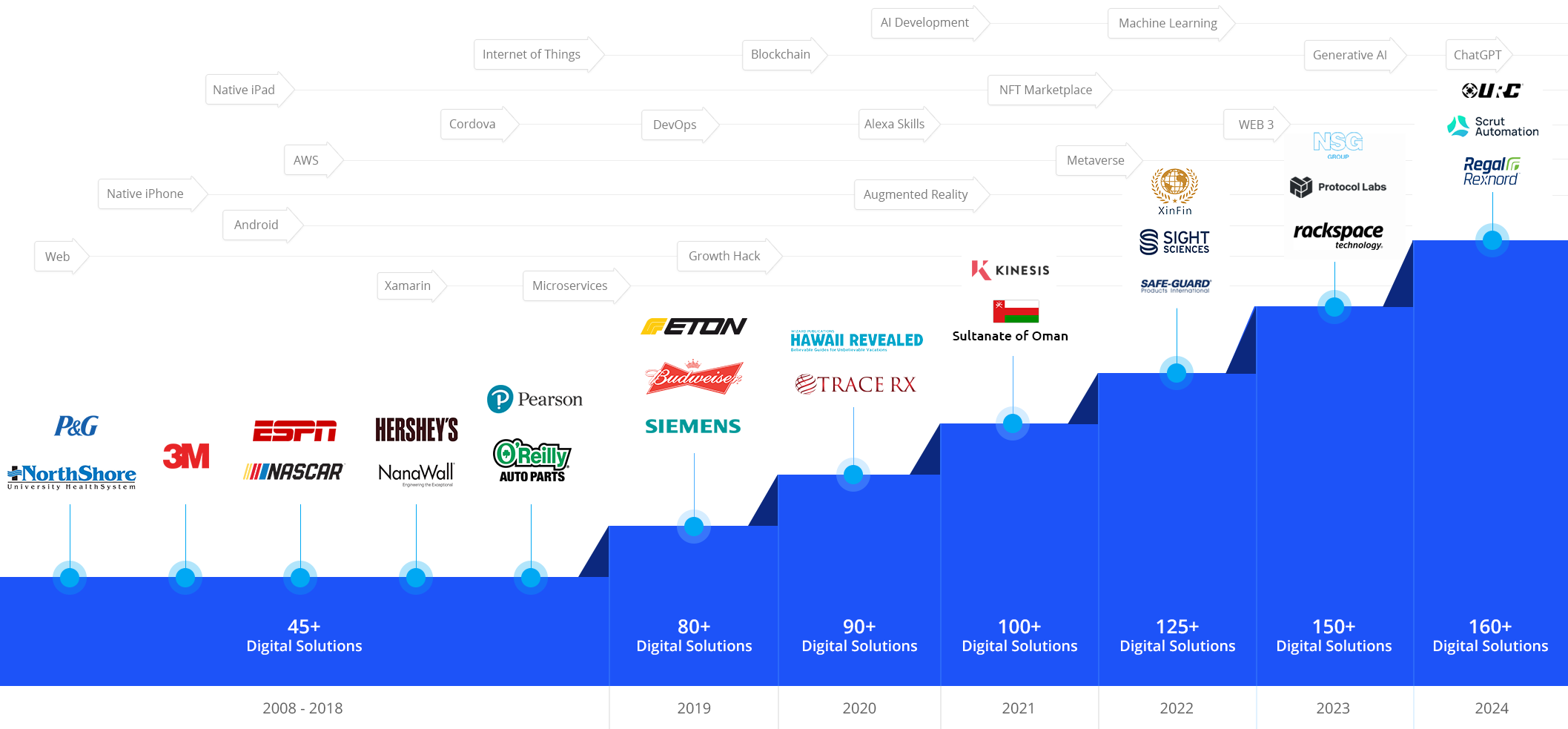
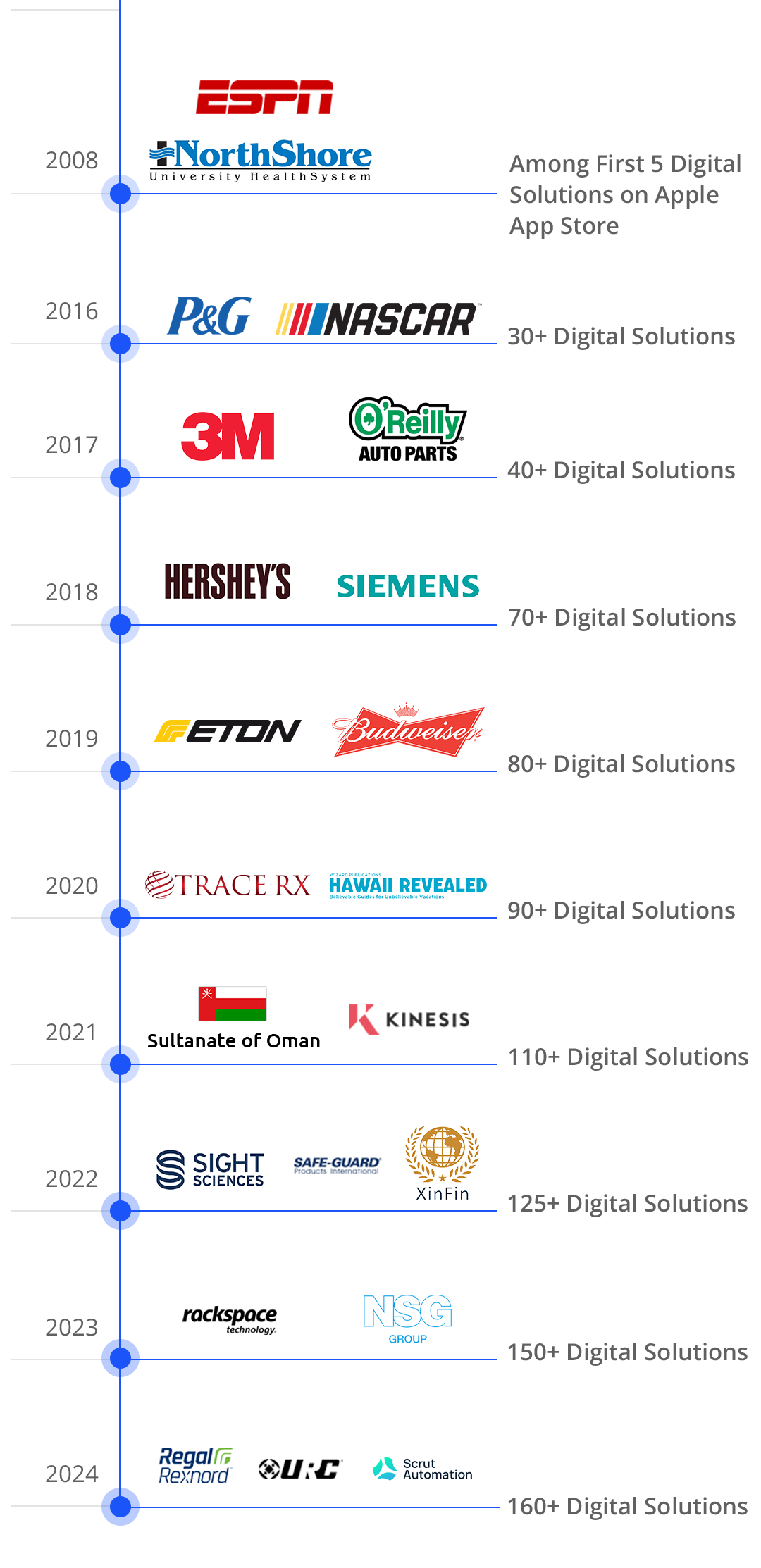
Big Brands Trust Us
Our Artificial Intelligence Portfolio

LLM-powered Application for Safer Machinery Troubleshooting
LeewayHertz collaborated with a top-tier Fortune 500 manufacturing company to develop an innovative LLM-powered machinery troubleshooting application. This innovative solution streamlines machinery maintenance, elevates safety protocol adherence and mitigates operational risks of the firm. By seamlessly integrating static machinery data and dynamic safety policies, the application provides quick access to relevant information for troubleshooting issues while also enhancing safety with clear and detailed instructions on equipment handling.

Generative AI Application
LLM-powered App for Compliance and Security Access

Data Analysis
Geospatial Data Analysis

AdPerfect: AI-powered SaaS Platform for Advertisement Generation
As Mentioned in


Our Engagement Models

Dedicated Development Team
Our developers leverage cutting-edge cognitive technologies to deliver high-quality services and tailored solutions to our clients.

Team Extension
Our team extension model is designed to assist clients seeking to expand their teams with the precise expertise needed for their projects.

Project-based Model
Our project-oriented approach, supported by our team of software development specialists, is dedicated to fostering client collaboration and achieving specific project objectives.
Start a conversation by filling the form
All information will be kept confidential.
FAQs
1. How can agentic AI solutions benefit my business?
Unlike isolated automation tools, AI agents can maintain workflow context and adapt their next step based on new information or system outcomes. When implemented with appropriate review boundaries, they can increase process capacity and responsiveness while allowing accountable employees to retain authority over financial, legal, compliance, customer, and other consequential decisions.
2. What AI agent development services does LeewayHertz® offer?
Our services also cover agent evaluation, security, guardrails, governance, cloud deployment, observability, and AgentOps. We support both focused solutions for a defined workflow and broader enterprise programs involving multiple agents, applications, and business functions. Each engagement is structured around the organization’s business objectives, technology environment, security requirements, operating model, and expected outcomes.
3. How does your AI agent consulting service help enterprises get started with AI initiatives?
The engagement also establishes the agent’s intended responsibilities, operating boundaries, accountable owners, human-review requirements, technology options, and success measures. Based on this assessment, we develop an implementation roadmap covering architecture, development, validation, deployment, governance, and ongoing operations. This gives business and technical teams a shared foundation before significant development investment begins.
4. What AI agent development frameworks do you use to build AI agents?
The engagement also establishes the agent’s intended responsibilities, operating boundaries, accountable owners, human-review requirements, technology options, and success measures. Based on this assessment, we develop an implementation roadmap covering architecture, development, validation, deployment, governance, and ongoing operations. This gives business and technical teams a shared foundation before significant development investment begins.
5. Can you build multi-agent systems for complex workflows?
Depending on the use case, we can implement sequential, hierarchical, supervisory, or event-driven collaboration patterns. Agent responsibilities, permitted tools, context-sharing rules, handoffs, review points, and exception paths are explicitly defined. This enables multiple agents to collaborate while keeping the overall workflow observable, testable, and aligned with enterprise controls.
6. How do you ensure the security and integrity of AI agents?
Additional controls can include policy checks, confidence thresholds, input and output guardrails, human approvals, escalation paths, and separation of duties. Runtime monitoring, audit trails, alerts, incident procedures, and stop controls provide visibility into agent activity and enable intervention when an exception, policy violation, or unexpected behavior occurs.
7. How long does it take to develop an enterprise AI agent?
A focused agent supporting a bounded workflow with accessible data and limited integrations may be delivered more quickly than a multi-agent system spanning several applications and approval chains. Following the initial assessment, we define the delivery phases, dependencies, stakeholder review points, expected outputs, and estimated timeline, providing greater clarity before development begins.
8. What support is available after deployment?
Production insights are reviewed to identify reliability issues, changing usage patterns, retrieval gaps, model-related changes, and opportunities to improve workflow performance. Updates to prompts, models, retrieval pipelines, tools, controls, integrations, and workflow logic are tested and introduced through defined change and approval processes to maintain operational stability.
9. How can I engage LeewayHertz® for AI agent development services?
Depending on your needs, the engagement may begin with strategy and architecture, a focused pilot-to-production initiative, an enterprise AI agent program, a dedicated engineering team, modernization of existing agents, or managed AgentOps. The proposed engagement will define the scope, responsibilities, delivery stages, review points, expected outputs, and next steps.
Explore Our Services
Insights
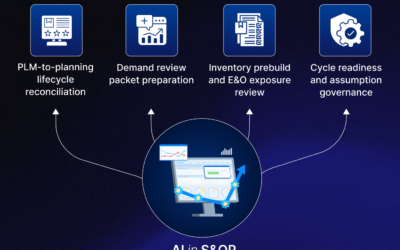
AI in S&OP: Processes and Use Cases Across the Operating Model
AI is changing S&OP by helping teams turn fragmented demand, supply, inventory, product, and financial inputs into evidence-rich review packets for each planning gate.
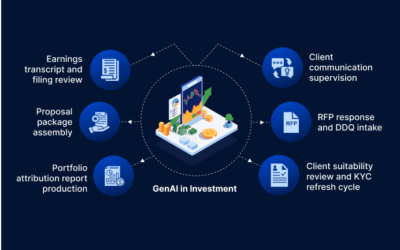
GenAI in Investment: Streamlining Advisory, Portfolio, and Compliance Workflows
Investment is a prime domain for generative and agentic AI because workflows intersect client records, research documents, portfolio data, regulatory requirements, exceptions, and operational handoffs.
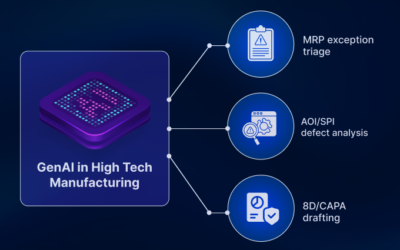
Generative AI in High-Tech Manufacturing: Operating Model, Use Cases, Governance, and Future Trends
In high-tech manufacturing environments, generative and agentic AI can interpret, synthesize, and generate structured outputs from technical and operational information.